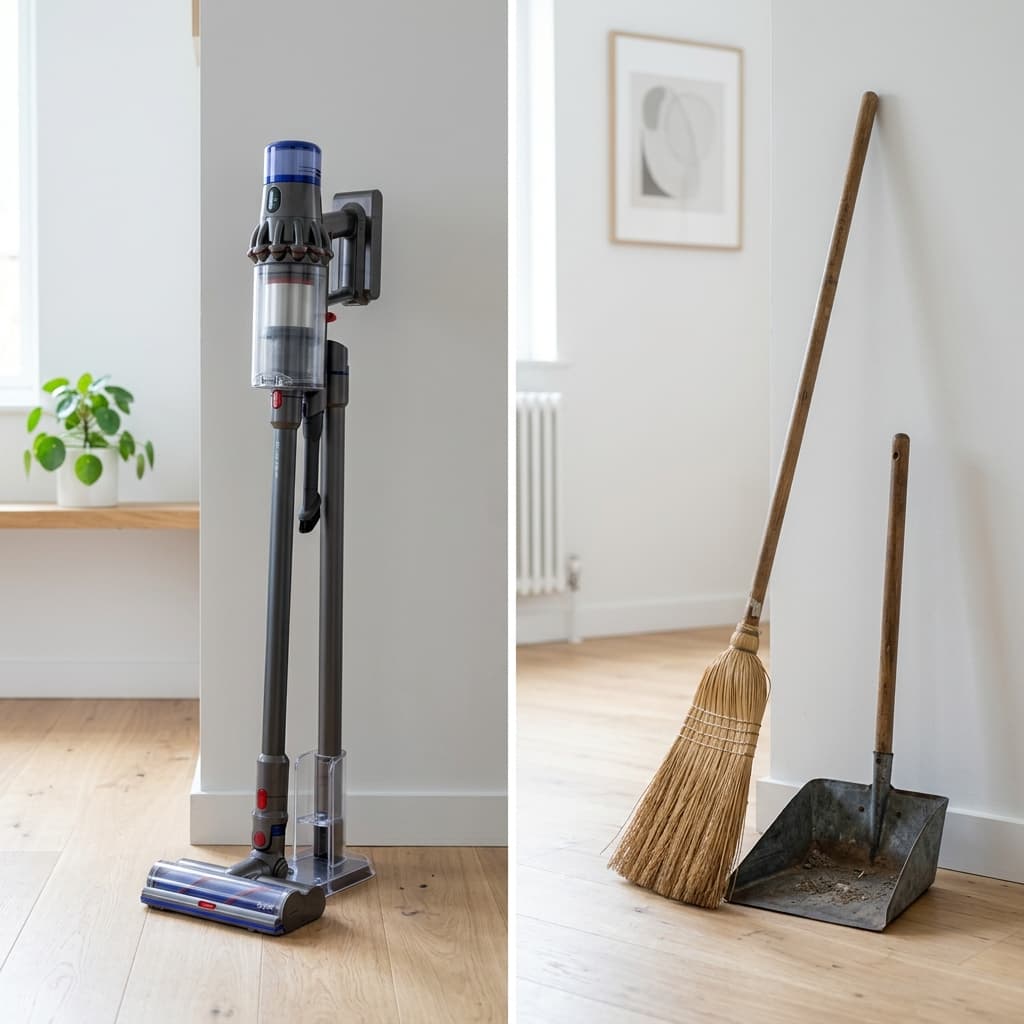
Keeping a home clean, organized, and running efficiently is a daily challenge. For generations, traditional tools, like standard cotton mops, corded upright vacuums, manual grinders, and matches, have been the standard for managing household chores. However, a new wave of innovative home accessories and smart utilities is changing how we manage our homes. Both options help you maintain your living space, but they offer very different levels of effort, efficiency, and comfort.
Smart household utilities use modern engineering, cordless designs, and user-focused features to automate chores and reduce physical effort. In contrast, traditional home tools rely on manual work, basic mechanics, and corded power, offering a simple, familiar experience at a lower entry price.
In this comparison, we will break down Smart Utilities vs. Traditional Home Tools across daily cleaning performance, tool maintenance, space saving, and long-term costs to help you choose the best tools for your household.
What Are Smart Utilities?
Smart utilities are modern, engineered household tools designed to improve efficiency and reduce the physical effort needed for home maintenance. This category includes tools like cordless vacuums, self-cleaning mops (which separate clean and dirty water), digital kitchen grinders, electronic luggage scales, and temperature-controlled aromatherapy burners. These devices focus on solving common pain points - such as tangling cords, heavy designs, and messy cleanup processes.
One of smart utilities' greatest advantages is their focus on ergonomic, user-friendly design. By automating tasks (like dividing clean and dirty water or adjusting incense temperatures), these tools allow you to achieve better results in less time. This efficiency has made them popular among busy professionals and families looking to streamline their daily routines.
What Are Traditional Home Tools?
Traditional home tools are manual or basic mechanical devices that have been used in homes for decades. Examples include standard cotton mops with wringer buckets, corded plug-in vacuums, manual spice grinders, and flame-lit incense burners. These tools are built with simple designs, relying on manual effort or standard AC power to function.
Unlike modern smart utilities, traditional tools contain fewer electronic parts, sensors, or complex mechanisms. This simple build makes them highly durable and easy to understand. There are no batteries to charge, firmware updates to install, or delicate sensors to clean.
For many homeowners, the simplicity and low cost of traditional tools make them a reliable choice. However, they often require more physical effort, take longer to clean, and are less convenient than their modern counterparts.
Smart Utilities vs Traditional Tools: Key Features Comparison
| Feature | Smart Utilities | Traditional Tools |
|---|---|---|
| Power Source | Rechargeable battery / digital | Manual / Corded AC power |
| Effort Required | Low (ergonomic & automated) | High (requires manual labor) |
| Cleanliness / Hygiene | High (self-cleaning/separate chambers) | Moderate (reused water / manual washing) |
| Setup Time | Instant (grab-and-go cordless) | Slow (unwinding cords/filling buckets) |
| Storage Footprint | Compact (wall-mounted / space-saving) | Bulky (requires large closets) |
| Learning Curve | Low to Moderate (settings adjustment) | Low (simple mechanics) |
| Initial Cost | Higher upfront investment | Low entry price |
Both tool categories are effective for home care, but they serve different lifestyles. Smart utilities prioritize user comfort, time-saving automation, and compact storage, while traditional tools focus on simplicity, durability, and budget-friendly pricing.
For homeowners who want to clean faster and with less physical strain, smart utilities are the better option. However, for those who prefer simple tools with no batteries to maintain, traditional options are reliable. The right choice depends on your daily schedule, budget, and physical comfort.
Smart Utilities vs Traditional Tools: Cleaning and Operation Performance
Performance is a key factor when choosing household tools.
Smart utilities are designed to deliver consistent, high-quality results with minimal effort. For example, a dual-chamber bucket mop ensures you only clean your floors with fresh water, avoiding the dirt-spreading issue of traditional mops. Similarly, compact cordless vacuums allow you to quickly clean dust and pet hair from furniture, cars, and tight corners without searching for power outlets.
Traditional tools are highly effective but require more physical effort and technique. A standard mop can clean a large floor area, but as the water in the bucket gets dirty, you end up spreading dirty water around. Corded vacuums offer strong suction but are heavy and awkward to carry up stairs or use in tight spaces.
For fast, hygienic, and easy cleaning, smart utilities are superior. Traditional tools are capable, but they require more time and energy to achieve the same level of cleanliness.
Smart Utilities vs Traditional Tools: Maintenance and Longevity
How much care a tool needs affects its value over time.
Smart utilities require regular upkeep to keep their electronic parts and batteries working well. Rechargeable batteries lose capacity over time, and smart filters or sensors must be cleaned regularly to prevent clogs. However, because they are built with modern materials, they are often easier to wash and dry.
Traditional tools are highly durable. A standard broom or manual grinder can last for decades with almost no maintenance. If a part breaks, it is usually cheap and easy to replace. The downside is that these tools can harbor bacteria and odors if not dried properly, like cotton mop heads left damp in a bucket.
For simple durability with no battery upkeep, traditional tools win. If you want easy-to-wash designs and don't mind occasional battery charging, smart utilities are a convenient upgrade.
Smart Utilities vs Traditional Tools: Space Optimization and Ergonomics
Home storage space is valuable, especially in modern apartments.
Smart utilities are designed with compact storage in mind. Many feature wall mounts, collapsible handles, and multi-functional designs that save closet space. Their lightweight builds and ergonomic grips also help reduce wrist and back strain during chores.
Traditional tools are often bulky and difficult to store neatly. Large mop buckets, long broom handles, and heavy vacuum cleaners can quickly clutter utility closets. They also tend to be heavier, which can lead to fatigue during long cleaning sessions.
For small living spaces and comfortable handling, smart utilities are the clear winner.
Smart Utilities vs Traditional Tools: Cost and Resource Efficiency
Understanding the financial and resource impact helps determine the true value of your tools.
Smart Utility costs:
- Higher initial purchase price.
- Saves water and cleaning solutions due to efficient designs.
- Low power usage from rechargeable lithium batteries.
While the upfront cost is higher, the time-saving benefits and lower water use help offset the initial investment over time. When analyzing these costs, it is important to weigh the difference between purchasing Quality Products vs. Cheap Bargains, as cheaper tools often fail quickly, raising your lifetime household expenses.
Traditional Tool costs:
- Low upfront cost.
- High water and chemical usage for tasks like mopping.
- High physical effort can lead to strain and fatigue.
Traditional tools are budget-friendly at checkout, but they require more physical effort and resources to operate.
When Smart Utilities Are the Better Choice
Here are the ideal scenarios for choosing smart utilities:
- You have a busy schedule and want to minimize time spent on chores.
- You have limited storage space and need compact, wall-mounted tools.
- You want to improve home hygiene by separating clean and dirty cleaning water.
- You struggle with back or wrist strain when using heavy household tools.
- You want the convenience of cordless, grab-and-go cleaning for quick spills.
When Traditional Tools Are the Better Choice
Here are the ideal scenarios for choosing traditional tools:
- You are working with a tight budget and want low upfront costs.
- You prefer simple tools with no batteries or electronics to maintain.
- You need a heavy-duty tool for outdoor use or rough cleaning tasks.
- You have plenty of storage space in a large utility closet or garage.
- You want a tool that will last for decades with minimal maintenance.
Smart Utilities vs Traditional Tools: Which is Better for Modern Homes?
If you prioritize time-saving convenience, lightweight design, and modern hygiene, Smart Utilities are the better choice. If you prefer a low purchase price, simple designs, and maximum durability, Traditional Tools remain a reliable option.
Ultimately, the best choice is often a combination of both: use smart utilities for fast daily chores, and keep traditional tools for heavy-duty cleanup tasks.
Conclusion
Upgrading to smart household utilities is about reclaiming your time and making home care easier.
While traditional tools have served us well, modern smart utilities offer levels of efficiency and hygiene that manual tools cannot match. By investing in the right modern tools, you can keep your home clean and comfortable with far less effort.
Choosing the right balance of smart and traditional tools will help you create an efficient, organized, and stress-free home.
Frequently Asked Questions
What is the main difference between smart utilities and traditional tools?
Smart utilities are modern, battery-powered or ergonomically designed tools built to save time and effort. Traditional tools are manual or simple corded devices that rely on physical labor and basic mechanics.
Do smart mops really clean better than traditional mops?
Yes, because smart mops often feature dual-chamber buckets that separate clean and dirty water. Traditional mops reuse dirty water, which can spread grime back across your floors.
Are cordless vacuums as powerful as corded vacuums?
Modern cordless vacuums offer strong suction that is perfect for everyday cleaning, though corded vacuums still hold an advantage for deep, continuous cleaning on thick carpets.
How long do the batteries last in smart home tools?
Most lithium-ion batteries in smart tools run for 20 to 60 minutes per charge, which is usually plenty of time for daily cleanup routines.
Are smart home tools hard to maintain?
No, but they do require regular care, such as emptying dustbins, washing filters, and charging batteries, to keep them running efficiently.
Why are smart utilities more expensive?
Smart utilities cost more due to their advanced materials, rechargeable batteries, electronic sensors, and ergonomic designs.
Can smart kitchen tools save food prep time?
Yes. Digital grinders and multi-function choppers process fresh ingredients in seconds, making food prep much faster than manual chopping.
Do smart tools help reduce physical strain?
Yes. Their lightweight, cordless, and ergonomic designs help reduce back, shoulder, and wrist fatigue compared to heavy traditional tools.
What is the best way to transition to smart utilities?
Start by replacing the tools you use most often, such as your mop or vacuum, to get the biggest benefit from modern home efficiency.