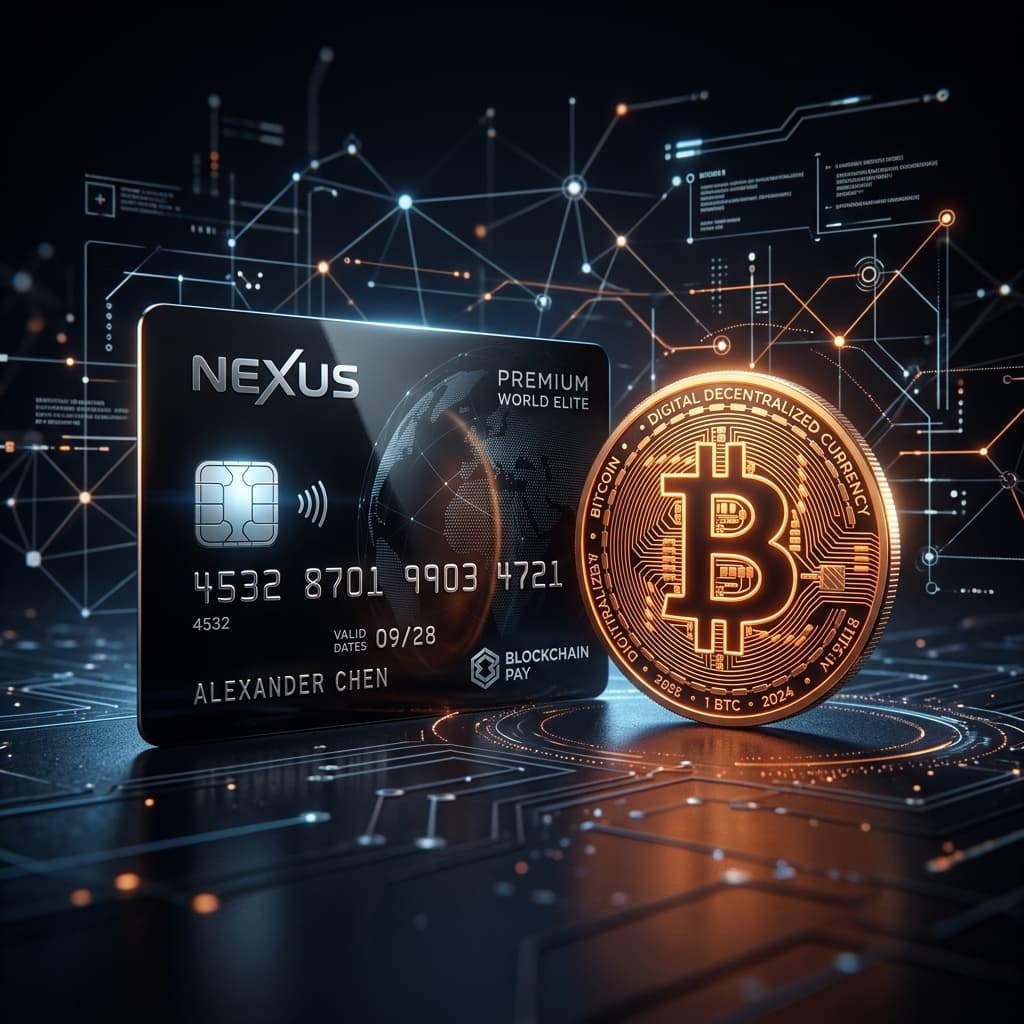
The way we pay for goods online is undergoing a massive shift. For decades, traditional credit cards have been the default choice for e-commerce checkout. However, the rise of decentralized digital currencies has introduced a new contender to the retail space: cryptocurrency payments. Both payment methods enable seamless digital transactions, but they are built on opposite financial philosophies.
Cryptocurrency transactions run on public, decentralized blockchain networks, removing intermediary banks and offering high levels of privacy and lower merchant fees. On the other hand, credit cards operate within centralized banking systems, providing consumer line-of-credit funding, immediate purchase protection, and familiar rewards programs. If you prefer avoiding digital transactions altogether for safety reasons, you may want to compare Cash on Delivery (COD) vs. Online Payments to see how physical payment methods stack up.
In this comparison, we will break down Crypto vs. Credit Cards across payment security, transaction speeds, global accessibility, and consumer refund policies to help you decide which digital currency is right for your shopping cart.
What Are Crypto Payments?
Cryptocurrency payments involve transferring digital tokens, like Bitcoin, Ethereum, or stablecoins such as USDT, directly from a buyer’s digital wallet to a merchant’s public wallet. These transactions are recorded on a blockchain, which acts as a permanent, secure ledger. Because the blockchain processes the payment directly, there is no need for central clearing houses, traditional banks, or payment networks to verify the fund transfer.
One of cryptocurrency's greatest advantages is its borderless and permissionless nature. Anyone with an internet connection can set up a wallet and make a purchase, regardless of credit history or geographic location. This decentralized framework has allowed independent e-commerce stores to easily accept international payments without dealing with complex currency exchange systems.
What Are Credit Card Payments?
Credit card payments are credit-backed electronic transactions processed through centralized financial networks like Visa, Mastercard, and American Express. When you buy a product using a credit card, the processing bank temporarily lends you the money to cover the purchase. You then repay the bank at the end of your billing cycle, either in full or through monthly installments.
Unlike decentralized tokens, credit cards rely on a web of intermediaries, including the merchant’s acquiring bank, the card association, and your issuing bank. These institutions work together behind the scenes to verify your credit limit, authorize the charge, and protect you against unauthorized transactions.
One of the biggest benefits of credit cards is their immediate integration into consumer protection systems. Because banks manage the funds, they can offer features like fraud monitoring, credit scores, purchase insurance, and chargeback disputes. This established infrastructure has kept credit cards at the center of global consumer shopping.
Crypto vs Credit Cards: Key Features Comparison
| Feature | Crypto Payments | Credit Cards |
|---|---|---|
| Authority | Decentralized (Blockchain) | Centralized (Banks) |
| Anonymity | Pseudonymous (No personal info) | Fully identified (KYC required) |
| Transaction Fee | Low network gas fees | High merchant processing fees (1.5%-3.5%) |
| Settlement Speed | Minutes (varies by network) | Immediate authorization (days to clear) |
| Dispute Resolution | Irreversible (no chargebacks) | Reversible (chargeback rights) |
| Spending Limit | Wallet balance dependent | Approved credit limit dependent |
| Rewards & Perks | Rare (limited to specific platforms) | Common (cashback, travel points) |
Both payment methods are powerful transactional tools, but they cater to very different financial preferences. Cryptocurrency payments focus on user privacy, lower fees, and decentralized control, while credit cards prioritize customer convenience, consumer credit access, and legal purchase protection.
For shoppers looking to maintain privacy or buy from international stores without high conversion fees, crypto payments offer a highly efficient path. However, for everyday domestic purchases where buyer protections are a priority, credit cards remain highly convenient. The right choice depends on your privacy preferences and how much you value chargeback security.
Crypto vs Credit Cards: Security and Fraud Prevention
The security models of blockchain and traditional banking are fundamentally different.
Crypto payments rely on cryptographic security. Since you do not share card details, cardholder names, or billing addresses during a transaction, your private information cannot be stolen in a merchant database hack. Once you authorize a payment using your private key, the transaction is secure. However, if your wallet is compromised or you send funds to a scam address, recovery is impossible. If you want to understand how store checkouts secure this data differently, read about Secure Checkout vs. Shared Marketplaces.
Credit cards depend on centralized monitoring. If your card number is stolen in a data breach and used fraudulently, you are protected by zero-liability policies. Your bank will cancel the transaction, issue a new card, and restore your balance. The risk, however, is that credit card details are frequently targeted by identity thieves and phishing scams.
For preventing identity theft and database leaks, crypto is highly secure. For recovery and fraud protection after an incident occurs, credit cards provide a far stronger safety net.
Crypto vs Credit Cards: Transaction Speed and Settlement
How quickly a transaction clears affects both the checkout process and shipping times.
Crypto transaction speed is determined by the congestion of the blockchain network. While stablecoins on modern networks (like Solana or Polygon) settle in seconds for fractions of a penny, legacy networks like Bitcoin can take ten minutes to an hour to confirm a payment. Merchants must wait for these network confirmations before confirming your order.
Credit card authorizations happen almost instantly. Within seconds of swiping or entering your card details, the network approves the purchase, allowing the merchant to immediately process and ship your package. The actual settlement of funds between banks takes a few days, but this is handled entirely behind the scenes.
For immediate checkout confirmation and rapid order dispatch, credit cards offer a smoother, more consistent experience.
Crypto vs Credit Cards: Global Accessibility and Fees
Global transactions are where fee structures diverge significantly.
Crypto payment fees:
- Buyers pay a network fee ("gas") to process the transaction on the blockchain.
- No international transaction fees or currency conversion surcharges.
- Merchants save money by avoiding high credit card processing fees.
Because crypto operates on a single global ledger, sending a payment from Tokyo to New York costs the same as sending it to your neighbor, bypassing traditional wire and exchange markups.
Credit card fees:
- Buyers may face 1% to 3% foreign transaction fees on international sites.
- Merchants pay card network interchange fees of up to 3.5% per purchase.
- Currency exchange rates are set by banks, often with hidden markups.
For international shopping, cryptocurrency is highly cost-effective, saving both the merchant and the consumer from excessive cross-border banking fees.
Crypto vs Credit Cards: Refund and Dispute Resolution
Understanding how refunds work is critical when shopping online.
- Crypto transactions are irreversible. Once you send cryptocurrency to a wallet, only the receiver can send it back. If an online store refuses to ship your items, there is no central authority or bank you can call to reverse the transaction. Refunds require the merchant to manually send tokens back to your wallet address.
- Credit card transactions are reversible. Under consumer protection laws, cardholders can dispute charges for undelivered goods or services that did not match the description. This chargeback process forces the merchant's bank to hold the funds while the dispute is reviewed.
This difference makes credit cards far more buyer-friendly in disputes, whereas crypto places all the trust in the merchant's customer service team.
When Crypto Payments Are the Better Choice
Here are the ideal scenarios for using cryptocurrency:
- You want to keep your personal billing information and identity private from merchants.
- You are purchasing from international online stores and want to avoid high currency conversion fees.
- You do not have access to traditional banking services or credit cards.
- You want to support independent merchants by helping them avoid credit card transaction fees.
- You are using stablecoins on fast, low-cost blockchains for micro-transactions.
When Credit Card Payments Are the Better Choice
Here are the ideal scenarios for using credit cards:
- You are shopping from a new online store and want the safety net of chargeback rights.
- You want to earn points, miles, or cashback on your everyday purchases.
- You want instant order confirmation without waiting for blockchain network approvals.
- You are planning a purchase that requires consumer insurance or extended warranty protections.
- You prefer the convenience of paying off your shopping balance at the end of the month.
Crypto vs Credit Cards: Which is Better for Online Shopping?
If you prioritize absolute privacy, borderless payments, and minimizing merchant transaction fees, Crypto payments are the better choice. If you want robust buyer protections, instant transaction approvals, and rewards programs, Credit Cards remain the superior tool.
Ultimately, the best payment method depends on your relationship with the merchant: use credit cards when testing new retailers for purchase security, and use crypto for fast, private, and global transactions with brands you trust.
Conclusion
The future of e-commerce payments isn't about one method replacing the other; it’s about having options at checkout.
Decentralized crypto payments and centralized credit cards each solve different problems for modern shoppers. Crypto provides privacy and international efficiency, while credit cards deliver safety nets and rewards that protect consumers.
By selecting the right payment method for the right situation, you can enjoy a secure, flexible, and rewarding checkout experience every time you shop online.
Frequently Asked Questions
What is the primary difference between crypto and credit cards?
Crypto payments are peer-to-peer digital transactions that run on decentralized blockchains without banks. Credit cards are credit-backed payments processed through centralized banking networks.
Can I get scammed when paying with cryptocurrency?
Yes. Because blockchain transactions are irreversible, if you send crypto to a fraudulent website, you cannot dispute the charge or get your money back unless the seller voluntarily refunds you.
Why do merchants prefer crypto payments over credit cards?
Merchants prefer crypto because the transaction fees are much lower (often under 1%) and there is zero risk of fraudulent chargebacks, which can be costly for businesses.
Is my identity hidden when I pay with crypto?
It is pseudonymous. Your real name is not attached to your wallet address, but the public ledger records all transactions. If someone links your real identity to your wallet address, they can trace your transaction history.
What is a stablecoin, and should I use it for shopping?
A stablecoin is a cryptocurrency pegged to a fiat currency like the US Dollar (e.g., USDT or USDC). Using stablecoins is highly recommended for shopping because it protects you from the price volatility of assets like Bitcoin.
Do credit cards have better fraud protection than crypto?
Yes. Banks offer robust fraud detection and zero-liability policies. If someone steals your credit card number, you are not held responsible for unauthorized charges, whereas stolen crypto is generally gone forever.
Can I get refunds on crypto purchases?
Yes, but the merchant must manually send the cryptocurrency back to your wallet. You cannot force a refund through a bank or third-party processor as you can with a credit card.
Do I need a bank account to buy things with cryptocurrency?
No. You only need an internet connection and a digital wallet. This makes crypto highly accessible for people who do not have access to traditional banking services.
Which payment option is faster at checkout?
Credit cards are generally faster because they authorize instantly. Crypto speeds vary depending on network congestion, though stablecoins on modern blockchains are now nearly instant.