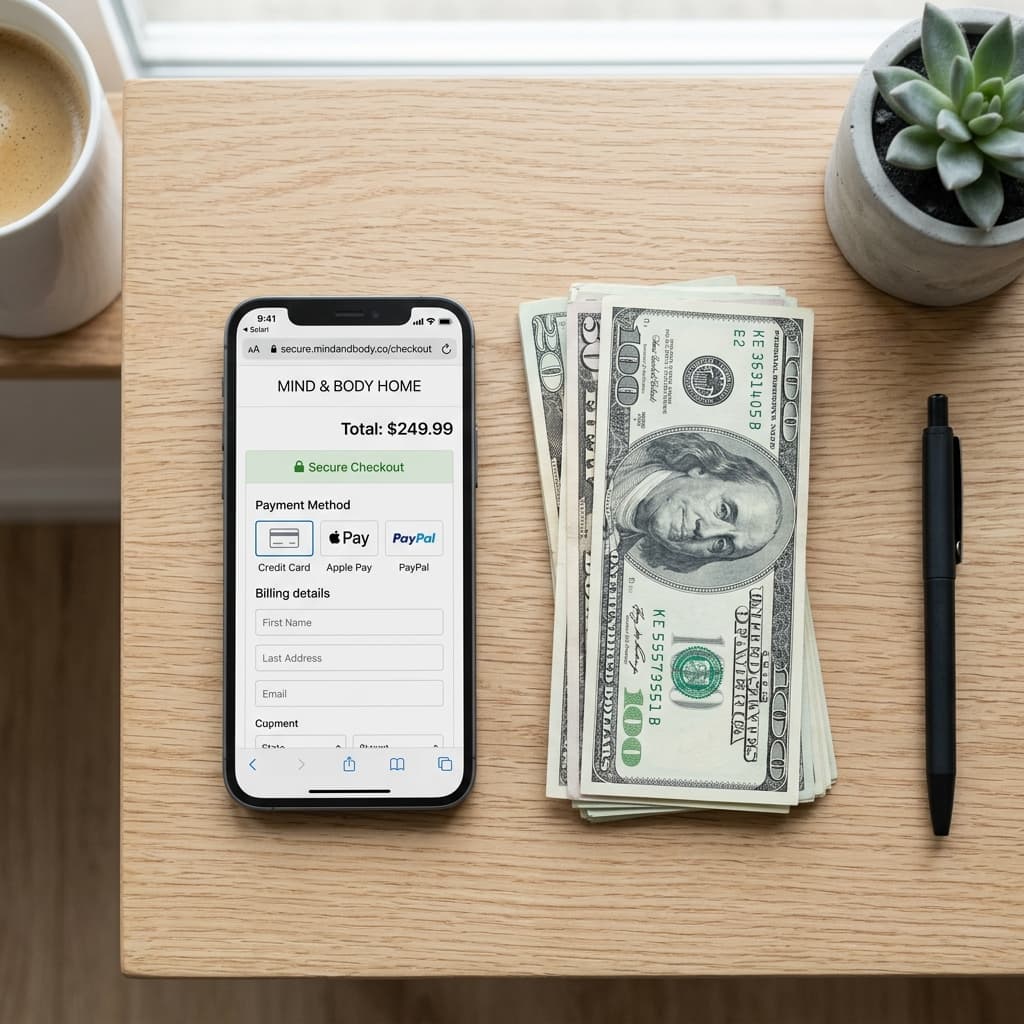
Choosing how to pay is one of the most important decisions you make when checking out online. In today’s digital marketplace, two payment models dominate the e-commerce landscape: traditional Cash on Delivery (COD) and instant Online Payments (including credit cards, debit cards, and digital wallets). Both systems are designed to facilitate transactions, but they offer vastly different experiences regarding security, buyer protection, and peace of mind.
Cash on Delivery lets you pay only when the physical item arrives at your doorstep, minimizing financial risk. In contrast, Online Payments require you to pay upfront using electronic gateways, offering faster dispatch times and contactless convenience. If you are exploring modern digital alternatives, you might also compare Shopping with Crypto vs. Credit Cards to see how blockchain technology is changing these dynamics.
In this comparison, we will break down Cash on Delivery vs. Online Payments across security, checkout speed, returns, and transactional costs to help you choose the best payment method for your next online purchase.
What Is Cash on Delivery (COD)?
Cash on Delivery (COD) is an e-commerce payment model where the buyer pays the courier in cash (or sometimes via mobile point-of-sale card readers) at the exact moment of delivery. If the product does not arrive, or if the delivery fails, no money changes hands. This zero-upfront-cost approach makes COD highly popular in emerging markets and among shoppers who prefer physical currency or remain skeptical of sharing credit card details online.
One of COD's biggest strengths is its built-in safety net. Since you only hand over cash when the package is physically in your hands, the risk of losing money to scam websites or phantom sellers is almost zero. This has made it an essential trust-building tool for independent e-commerce stores looking to establish credibility with new customers.
What Are Online Payments?
Online Payments refer to any electronic transaction completed at the time of checkout. This includes credit cards, debit cards, bank transfers, mobile wallets (like Apple Pay or Google Pay), and digital payments. When you select this option, the merchant processes your payment immediately through a secure gateway before dispatching the goods.
Unlike COD, Online Payments prioritize speed, automation, and touchless delivery. Once a transaction is authorized, the store receives instant confirmation, allowing them to prepare and ship the order without delay.
One of the biggest advantages of online transactions is the integration of modern security protocols, such as end-to-end encryption and two-factor authentication. Furthermore, paying online enables seamless contactless deliveries, where couriers can leave packages at your doorstep without requiring physical contact. This ease of use has made electronic checkout the standard for global digital retail.
COD vs Online Payments: Key Features Comparison
| Feature | Cash on Delivery (COD) | Online Payments |
|---|---|---|
| Upfront Payment | None (Pay on delivery) | Immediate (Pay at checkout) |
| Transaction Fee | Often incurs carrier COD surcharges | Usually free for the buyer |
| Fraud Protection | Physical possession before paying | Bank chargebacks and fraud alerts |
| Checkout Speed | Slow (requires address verification) | Instant (one-click or wallet payments) |
| Delivery Speed | Moderate (held for verification) | Fastest (immediate dispatch) |
| Refund Process | Manual (bank details required) | Automated (reversal to source) |
| Contactless Delivery | No (requires interaction) | Yes (doorstep drop-off allowed) |
Both payment systems are highly effective, but they target different consumer priorities. Cash on Delivery is ideal for buyers seeking maximum transaction security and zero upfront risk, while Online Payments cater to shoppers who prioritize convenience, speed, and automated refunds.
For shoppers who are testing a new online store for the first time, Cash on Delivery offers peace of mind. However, for established stores with trusted reputations, Online Payments offer a faster, more streamlined shopping experience. The right choice depends on your trust in the retailer and how you prefer to manage your personal finances.
COD vs Online Payments: Security & Buyer Protection
Security is the primary driver behind payment preferences.
Cash on Delivery excels in physical security. By removing the need to input credit card numbers, CVVs, or bank details on a website, COD eliminates the risk of online data breaches or phishing attacks. If a store turns out to be a scam, you lose nothing because you never paid upfront. To understand how secure direct checkouts operate and how they protect you, check out our guide on Secure Checkout vs. Shared Marketplaces.
Online Payments shine in post-purchase protection. If you pay with a credit card or a verified payment gateway and the product is defective, wrong, or never arrives, you have the legal right to file a dispute or a chargeback. Your bank can investigate and reverse the charge, returning the funds directly to your account.
For absolute protection against fraudulent websites, COD is unmatched. However, for long-term buyer protection and consumer rights, credit cards and secure digital gateways provide a robust safety net that cash simply cannot replicate.
COD vs Online Payments: Checkout Speed & Convenience
How quickly you want to complete your purchase plays a major role in your payment choice.
COD requires active participation at the time of delivery. You must ensure you have the exact amount of cash on hand, wait for the delivery agent, and physically sign for the package. This can lead to missed deliveries if you are not home when the courier arrives.
Online Payments offer a highly automated, frictionless experience. With saved billing details or express checkout options like Apple Pay, you can complete a purchase in seconds. This speed is further optimized when stores offer a Guest Checkout vs. Account Creation flow, allowing you to bypass registration entirely. Once paid, the package can be left safely in a smart locker or on your porch, freeing you from waiting around for the delivery driver.
For a quick, hands-off shopping experience, digital payments are superior. COD, while secure, introduces logistical friction that can slow down the delivery process.
COD vs Online Payments: Impact on Returns & Refunds
What happens when a product doesn't fit or isn't what you expected? This is where the difference between cash and digital transactions becomes very clear.
With Cash on Delivery, the refund process is often manual and slow. Because the merchant does not have your banking credentials, you must contact customer service, provide your bank routing details, and wait for a manual transfer or store credit. This can take several days or even weeks.
With Online Payments, returns are incredibly simple. Once the merchant approves your return, the funds are automatically reversed back to the credit card or wallet you used at checkout. There is no need to share extra bank information or coordinate manual transfers.
For hassle-free returns, digital payments win comfortably. If you use COD, you must be prepared for a slightly more involved refund process.
COD vs Online Payments: Costs and Fees
Transaction costs affect both shoppers and merchants, though in different ways.
Cash on Delivery costs:
- Couriers often charge a COD processing fee for handling cash.
- Buyers may pay a small surcharge at checkout to cover this service.
- High return-to-origin (RTO) rates can drive up overall shipping fees.
Merchants face high costs with COD due to cash-handling fees and the risk of customers refusing packages at the door. To offset this, many stores pass a small cash fee onto the buyer.
Online Payment costs:
- Usually zero transaction fees for the buyer.
- Merchants absorb credit card processing fees (typically 1.5% to 3.5%).
- Credit card companies may offer cashback, points, or travel rewards.
For the consumer, online payments are almost always the cheaper option, as merchants absorb the payment processing fees and buyers often earn reward points on their credit card spend.
When Cash on Delivery (COD) Is the Better Choice
Here are the ideal scenarios for choosing COD:
- You are shopping from a new or unfamiliar online store for the first time.
- You do not own a credit card or prefer not to share financial information online.
- You want to confirm the physical package arrives before parting with your money.
- You prefer using physical currency to manage your monthly shopping budget.
- You reside in a region where local courier networks specialize in cash handling.
When Online Payments Are the Better Choice
Here are the ideal scenarios for choosing Online Payments:
- You are buying from established, trusted brands with clear return policies.
- You want contactless delivery so packages can be left on your doorstep.
- You want to qualify for credit card rewards, points, or purchase protection.
- You want automated, hassle-free refunds returned directly to your account.
- You want to avoid the extra carrier surcharges often associated with cash collection.
COD vs Online Payments: Which is Better for E-Commerce in 2026?
If you prioritize absolute checkout speed, contactless convenience, and automated refunds, Online Payments are the better choice. If you want to protect your hard-earned money from online scams and value physical verification above all else, Cash on Delivery is the more secure path.
Ultimately, the best payment method depends on your comfort level with the merchant: use COD to safely test new stores, and switch to digital payments for seamless shopping with brands you trust.
Conclusion
The debate between Cash on Delivery and Online Payments comes down to a balance of trust and convenience.
Both payment methods serve a distinct purpose in modern e-commerce. COD bridges the trust gap for cautious shoppers and new online stores, while digital checkout options streamline the buying process for experienced online consumers.
Rather than relying on just one payment route, smart shoppers use both. By matching your payment choice to your trust in the seller, you can enjoy a safe, efficient, and stress-free online shopping experience.
Frequently Asked Questions
What is the main difference between COD and Online Payments?
Cash on Delivery (COD) allows you to pay in cash only when your package is delivered to your door. Online Payments require you to pay electronically using a card, mobile wallet, or bank transfer during checkout.
Is COD safer than paying online with a credit card?
Yes, to prevent upfront financial fraud. With COD, you cannot be scammed out of your money by a fake website because you don't pay until the physical package arrives. However, credit cards offer better long-term fraud protection through bank chargebacks.
Why do some stores charge extra for Cash on Delivery?
Courier companies charge merchants a fee to handle, secure, and transport physical cash. Merchants often pass this cost to the customer as a COD surcharge.
Can I open the package before paying for a COD order?
Usually, no. Most shipping couriers require you to pay and sign for the package before you are allowed to open it. If there is an issue with the product, you must request a refund from the merchant directly.
What happens if I refuse a COD delivery?
If you refuse a COD order, the package is sent back to the seller. While you won't lose money, repeating this can lead to merchants blacklisting your address from using COD services in the future.
Are digital payments safe on independent online stores?
Yes, provided the store uses secure, encrypted checkout gateways (look for HTTPS and verified badges like Stripe, PayPal, or Shopify Payments) and you use a credit card with fraud protection.
How long do refunds take for COD purchases?
Refunds for COD purchases take longer because you must manually share your bank details with the seller. Processing can take anywhere from 3 to 10 business days compared to automated card reversals.
Can I get credit card points when using Cash on Delivery?
No. Since COD transactions are paid in physical cash to the courier, you miss out on credit card points, cashback, and travel rewards.
Which payment method should I use for my daily shopping?
For trusted stores, use online payments for speed, convenience, and rewards. For new or unverified websites, use COD to keep your funds secure until delivery.